The Book

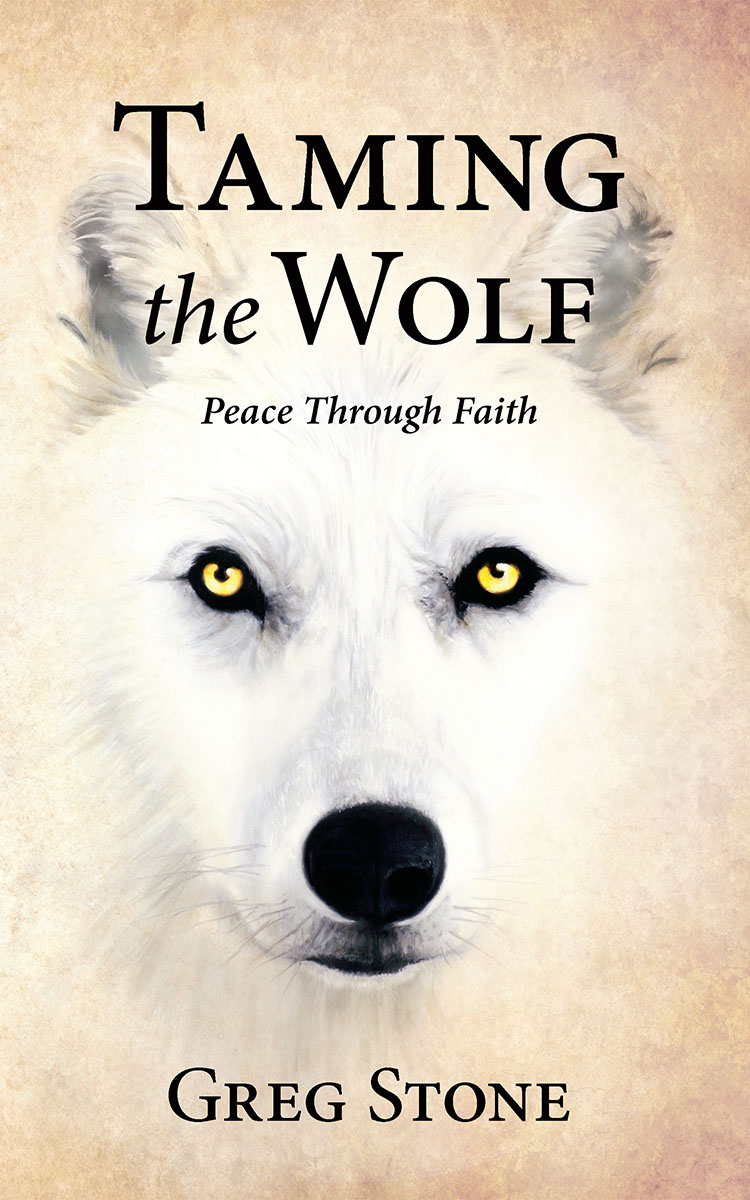
Taming the Wolf Book Cover Painting

Taming the Wolf: Resolving the Conflicts Ruining Your Life was written to help readers resolve conflict in their lives and in the lives of those close to them. The chapters guide the reader through the conflict resolution process with practical lessons designed to address difficult situations that are crushing happiness and turning life into a burden.

Unresolved conflict persists when two parties oppose one another and their opposition becomes locked into place. Conflict takes on the character of a runaway train: you feel as if you are hurtling down the tracks toward disaster with Fate at the controls. You know that, in order to avoid the ruinous consequences of unresolved conflict, something has to change—a transformation must take place. In Taming the Wolf the reader is guided through transformation that brings about resolution and reconciliation.

In addition to being a road map for change when conflict escalates, Taming the Wolf explores the spiritual aspects of conflict resolution especially the role faith plays in peacemaking and reconciliation. With its emphasis on the role of faith, the Taming the Wolf approach to conflict resolution presented might best be called spiritually transformative mediation.

Who should read Taming the Wolf?

Conflict affects everyone. No one goes through life, or even a single day, without encountering differences with others. Conflicting interests, views, needs, activities, positions, and identities must be worked out in order to maintain relationships and harmony. Most of the time we are able to resolve conflict quickly and efficiently and we give it little thought. We experience the give and take of social life. But a percentage of those conflicts do not resolve easily and the adverse effects diminish the quality of our lives. In addressing how we resolve those more difficult differences, Taming the Wolf will prove valuable to all who wish to make their life more productive, more enjoyable, and more harmonious. The book may offer special value for those who:

  • face adverse consequences of unresolved conflict that are ruining their life.
  • desire to help others resolve conflict, informally or as a professional mediator.
  • worry about the turmoil unresolved conflict inflicts on our global neighborhood.
  • dream of a more peaceful world where all can prosper.
  • wish to deepen their faith by practicing peacemaking.
  • hear St. Francis speak to their heart.
  • suffer the bite of their own personal Wolf.
  • struggle conflict in which “the other” adheres to a faith they do not understand.
  • follow no faith tradition, but who seek effective ways to resolve conflicts.

The Taming the Wolf Approach

Taming the Wolf is designed to guide the reader through the mediation process from the pre-convening stage to reconciliation. It is a practical guide that helps a party work through the stages of a successful conflict resolution. The book’s structure follows the mediation process, informing the reader about the decisions they will need to make and the options they may select. It is intended to prepare the reader to be a full participant in mediation, able to make informed decisions and choices.

At each stage of the process, self‐assessment prompts guide the personal work a party will need to complete. To use the book to full advantage, it is strongly recommended that the reader document his or her responses to the prompts in a confidential mediation journal. This journal becomes a record of the conflict, to which the disputant may return later for clarity; it pushes the disputant to analyze the conflict at a deeper level than they might otherwise; it provides a narrative of change, a story of spiritual transformation as the conflict is resolved. Responding to the prompts and making a journal record will allow the reader to learn to resolve conflict in a practical manner. Increased serenity in life will come from the growing certainty that one actually knows how to resolve conflict, wherever it arises.

Spiritual Concerns

Taming the Wolf incorporates spiritual concerns into the mediation process. The book covers topics not ordinarily found in most texts on mediation and conflict resolution. These additional topics include:

  • An introduction to the life of St. Francis of Assisi, often referred to as the “Universal Brother.”
  • A discussion of St. Francis’ role as our guide on the conflict resolution and reconciliation journey.
  • Glimpses into the role the “Prince of Peace” (Jesus Christ) plays as the ultimate model of reconciliation, the model St. Francis followed.
  • The role of the Divine in conflict resolution and reconciliation.
  • Reasons a spiritually‐based conflict resolution model proves successful for many people.

The structure of Taming the Wolf

Each chapter is divided into sections, providing a variety of tools to aid in the conflict resolution task. The reader may wish to revisit sections as they work through a conflict. In other words, they may work through a chapter and then realize at a later stage of mediation that they need to return to a section of an earlier chapter to complete a task that was not fully realized. Sections include:

  • excerpts from the legend St. Francis and the Wolf of Gubbio;
  • discussion of key mediation principles and conflict resolution themes;
  • prompts to guide self‐analysis and assessment;
  • resources for additional study;
  • scripture;
  • prayers/meditations;

Excerpts from the legend are designed to inspire contemplation and thoughtfulness. Story and metaphor can transport us to places logic and prescriptive rules will not take us. As you read the excerpt at the beginning of each chapter, allow yourself a moment of quiet contemplation. Ask how you might you have acted in St. Francis’ position.

The discussion of mediation principles provides the reader with a foundation in the theory and practice of mediation. This section acquaints you with concepts and practices employed by mediators. Studying this material will prepare you to take an active and informed role in mediation. If you plan to approach conflict resolution on your own, these discussions will provide the knowledge and skills that make success possible.

The most important section provides self analysis and assessment prompts. The reader is asked to engage the process at a very personal level. The prompts are designed to raise issues the reader may not have considered previously and to motivate a deeper level of analysis of the conflict. Many prompts are questions encountered in mediation, though this list is more exhaustive than you are likely to find elsewhere. These prompts are not simply a checklist. They are invitations to contemplative self analysis and a guide for reasoned assessment of factors driving conflict. To derive maximum benefit, the reader is advised to respond thoughtfully and log responses in a confidential mediation journal. In this section a reader may gain a facility for handling day to day conflict. After working with the prompts, readers may find they instinctively query themselves in conflict situations—the prompts become a part of how we automatically address conflict.

Resources for further study are included. Taming the Wolf cannot hope to cover all that is known about the mediation discipline and readers do not have identical needs for in-depth treatment of all topics. Some may have difficulty understanding forgiveness, while others need assistance in negotiating. The resources provided allow readers the opportunity to pursue additional knowledge and skills in topic areas most pertinent to their personal needs. The resource list is intended as a select body of resources one can consult to handle particular concerns in depth.

Passages from sacred texts allow the reader to shift gears. After they have applied mediation principles, they may still experience a sense of impasse. They may find conflict has closed off their heart. They may find logic and reason and argument dominate their thoughts. Reading sacred texts provides a shift to a more transcendent context. Taking advantage of the manner in which sacred story informs our intuition, the reader can allow texts to seep into consciousness, and perhaps deliver new and unexpected insights.

Prayers and meditations take this principle to the next level: we invite Spirit to move within us, bringing change we cannot always anticipate. The process of conflict resolution is aided by contemplative prayer; as one faces “the other” with whom one has a dispute, one comes to face oneself in an intimate manner. Prayers and meditations will help readers plumb the depths of their hearts. The reader may wish to substitute their own prayers or meditations in place of those presented.

Book Related Topics